In this part of our creator highlight series for Black History Month, we explore the story of Helen Harris, more popularly known as Helen With The Gold Teeth (HWTGT).
She grew up in Rust Belt Milwaukee and became an icon in the jewelry world, going against what was usual and carving her own route.
Her path to becoming known as a good jeweler and designer was not typical. It started with her being practical, and making sure she had an income, but changed into something she loved doing after going through tough times and discovering what she wanted.
Helen has goals for her legacy that include giving power to others, breaking barriers, and motivating people to ignore restrictions and accept who they are.
Read the Interview Below!
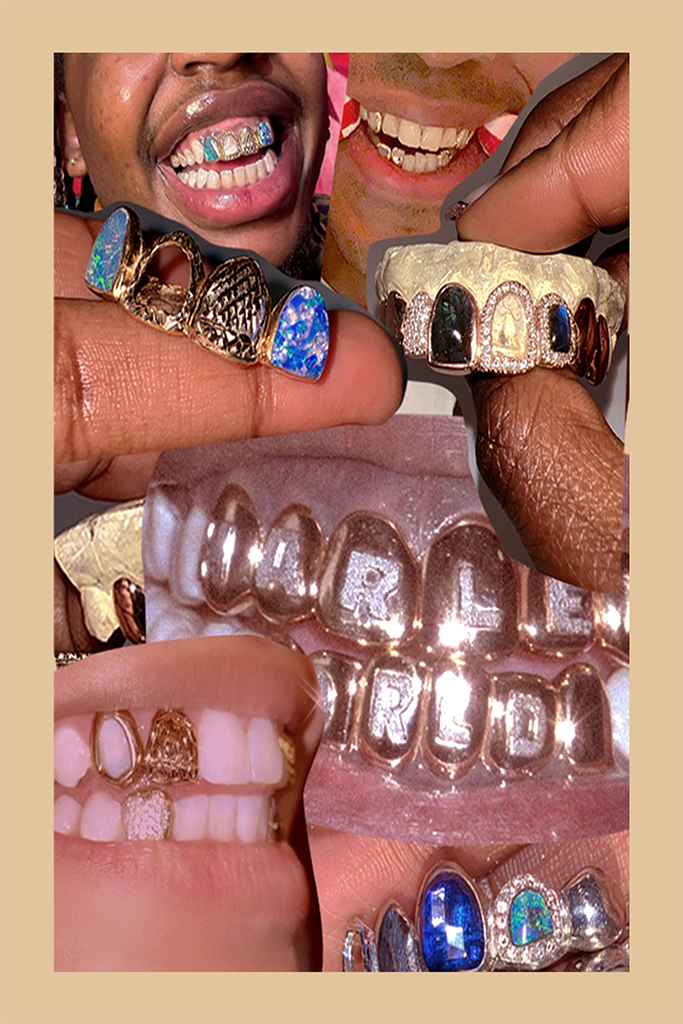
Who is Helen With The Gold Teeth?
Helen with the Gold Teeth is me, Helen Harris, I’m the daughter of Wendell Harris and Brenda Johnson. Helen with the Gold Teeth is a person born and raised in Rust Belt Milwaukee.
HWTGT is me, a person who is mostly known as a New York jeweler. Helen with the Gold Teeth is also the name of the brand I created and the product that I sell.
Can you share a memory of the moment you knew you wanted to be a jeweler?
It happened after I entered the business. I fell into jewelry hoping to build something that I could rely on for income in the future. I didn’t get involved in the creative aspect initially. After I caught my stride, began working with customers regularly and understanding all of what was available by working with different vendors, materials, and new creative avenues to explore; wheels started turning.
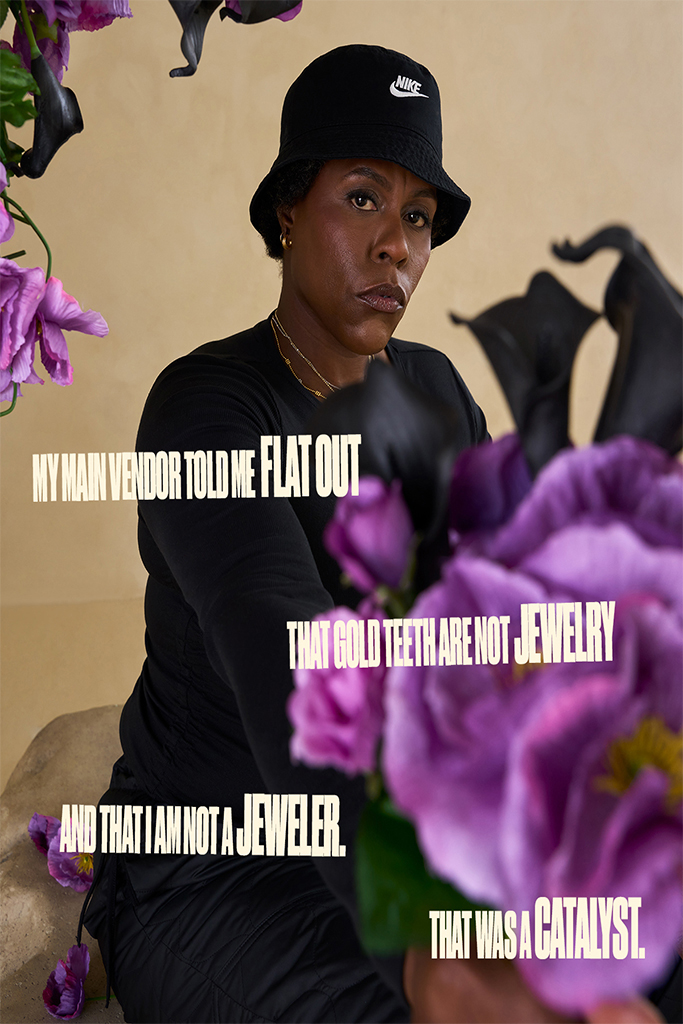
My brand took off pretty quickly in 2019, but my heart was not fully in it. Winter 2021-2022 is when it really set in. I felt bad about the way I was treated by some of my vendors in the Diamond District. After finding success as a well-recognized jeweler and jewelry designer, my main vendor told me flat out that gold teeth are not jewelry and that I am not a jeweler.
That was a catalyst. In December 2021 I went to Virginia to learn how to make gold teeth with my own hands, and then in January 2022, I went to bench jeweler training in Tennessee to learn jeweler fundamentals. The day my NYT cover came out was my 4th day in bench training.
This was a pivotal moment. This is the time I became fully immersed, I began dedicating all of myself and a lot of my resources to the craft. The world began to know me as a jeweler. I began to accept that was my path and more importantly became committed.
Describe your creative process when designing a set of grillz.
My process varies depending on the customer. I ask that everyone fill out a questionnaire before we schedule to meet. This gives me an opportunity to see what prospective client like, and what a reasonable budget is and allows me to begin thinking of possibilities that can express what appeals to them within a reasonable price range for their situation.
That’s very important to me.
Some know exactly what they want. If it’s something that makes sense for me to make, I just make it for them the way they requested with no creative input. I have some clients who have vague ideas. We sit and talk, I share photos, we look at the jewelry they normally wear, and the task becomes making something that fits well into their natural style.
I have some clients who give me a full creative license. On those occasions, the process becomes more granular. I like to grasp onto a concept and design a presentation that expresses the direction I’d like to go in. Once I commit to a certain aesthetic, I start to think about how the piece needs to be manufactured. I also do my best to integrate new materials or ways of making into those pieces. At this point in time I prefer working in 3D design and 3D printing because I can incorporate tiny features and perfectly execute my idea with more ease. Before you know it a style guide becomes a 2D drawing, then a 3D model on a screen, then a physical representation via 3D printing, and then an actual piece of casted gold to be decorated and worn by my client.
What do you want your legacy to be?
This is very important to me. Since childhood, I’ve been fixated on the topic. I’ve chosen not to have children which means I have a a lot of spare time compared to other adults. I do my best to use that time on things that matter. Making things is important to me. Ideas that express in making, are going to be left behind for future generations to make meaning of. How I connect with others, nurturing the gifts in them, is a critical part of the footprint I’ll leave behind. I want people to know me as a values-driven person and a person who tries to get the most out of life.
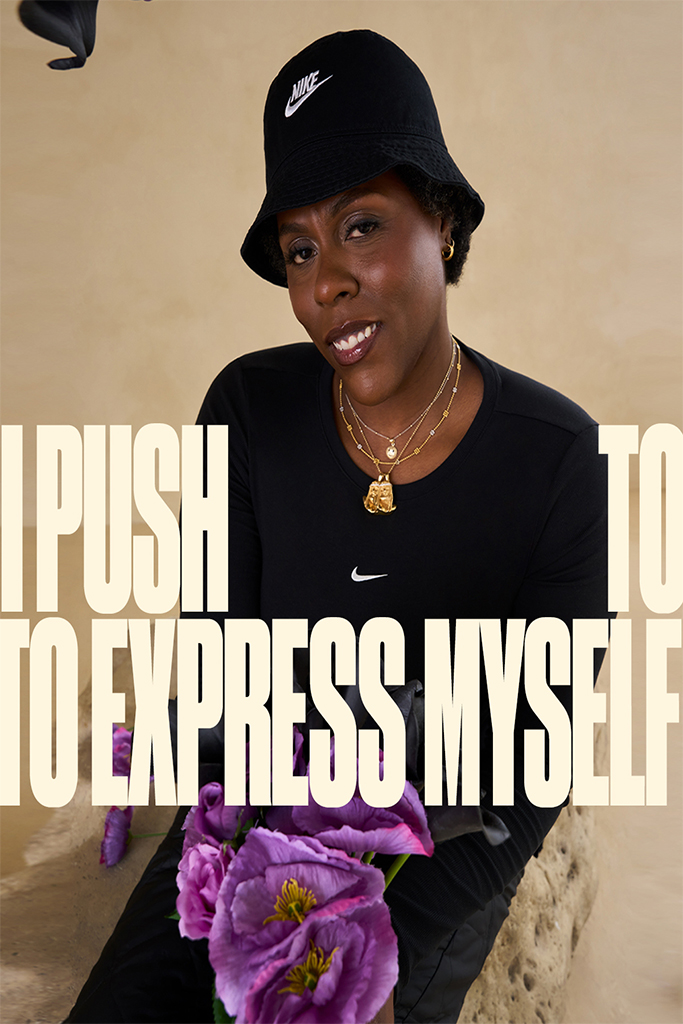
I am someone who has been expected to accept limits on what I can or should achieve on the basis of my identity. I do not accept that. I push to express myself genuinely, be self-sufficient, and actually just be happy.
I want that to be my legacy and a good source of inspiration for people who feel marginalized or stifled by life.
I want my name to be synonymous with freedom and the joy of living.
What does Black History mean to you?
Black history means everything to me. I am deeply connected to my cultural heritage. I am an African American with southern roots. I have a very direct and uninterrupted connection to the enslaved people in this country. My father told me just a few days ago that he was raised on a plantation where slave quarters were still standing. My mother’s parents left Mississippi and Louisiana looking for better lives. I am from Milwaukee but spent most of my adult life in NYC for economic opportunity.
My great-grandfather and uncles from Mississippi went back and forth between Wisconsin and NY for work long before I was born. I have an aunt on the same side, who did the same. I use the history of my family to inform my own decision-making. I don’t mean to make Blackness only equivalent to suffering, slavery, and labor. There’s so much more to us. At the same time, my existence here is very much tied up in labor. So I use history to understand where I came from and to help guide me towards my destination. My family history led me to New York where I became so many things and created so many things to leave behind.
Black History is a story of triumph, grit, creativity, and beauty. I use those stories to make sense of the world and really just keep my mind open, positive, and excited. The life stories of Black jewelers, technologists, blue-collar laborers, executives, educators, agricultural workers, artists, and activists keep me fueled.
They give me direction and help me define my own purpose in life. My worldview is informed by my Blackness and the stories of my ancestors.
How do you see your role in the streetwear industry contributing to the celebration of Black Culture?
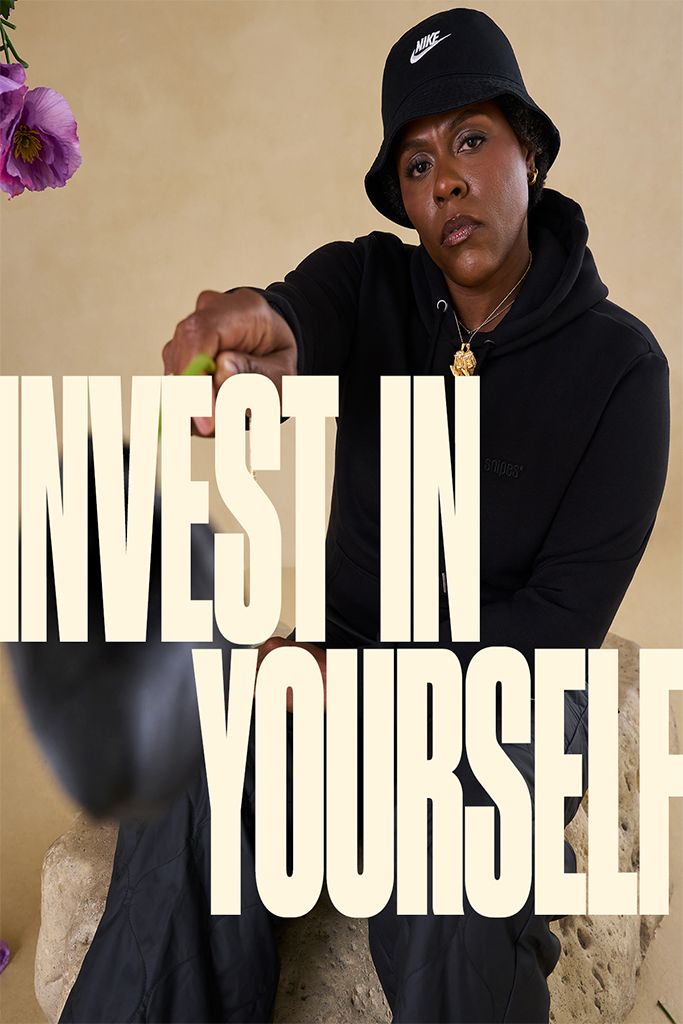
I am a traditionalist in a sense. I carry on that traditional African American mindset driven by self-determination, continuous self-improvement, and placing high value on education and vocational training. That’s sort of a conservative worldview in a way. At the same time, I’m this interdisciplinary thinker, merging Black cultural tradition, Black aesthetics, creative expression, high jewelry, and technology. I’m proof that if you invest in yourself, invest in your learning and personal development you can really succeed in creative fields.
We can do and be anything we want to be.
The possibilities are limitless.
I’m evidence that we can honor those collective African American values while also expressing ourselves radically and individualistically. That’s my lane. I can see that remaining this person is what enabled me to make so many things that mean something to other people. It’s also inspired a few people to use their imaginations, go after what they want, and be who they want to be in this world.
For more updates in streetwear news—check in with SNIPES on Instagram, Twitter, Facebook, and our Blog.
Interview By Jasmine Cordew & Intro Written By Parker Hargens